Why we should thank Einstein for our smartphone cameras
Learn more about how the photoelectric effect has shaped technologies such as burglar alarms, solar panels and the camera in your smartphone.
The engineer picked up a camera flash gun, aimed it at the tiny circuit board computer on the desk, and fired. For a fraction of a second, light flooded the room. Everyone blinked – and saw that the computer had crashed.
The Raspberry Pi team had just confirmed that their product, a budget computer sold to schools and electronics enthusiasts, hated having its picture taken. At least when you took the picture with a big xenon flash lamp.
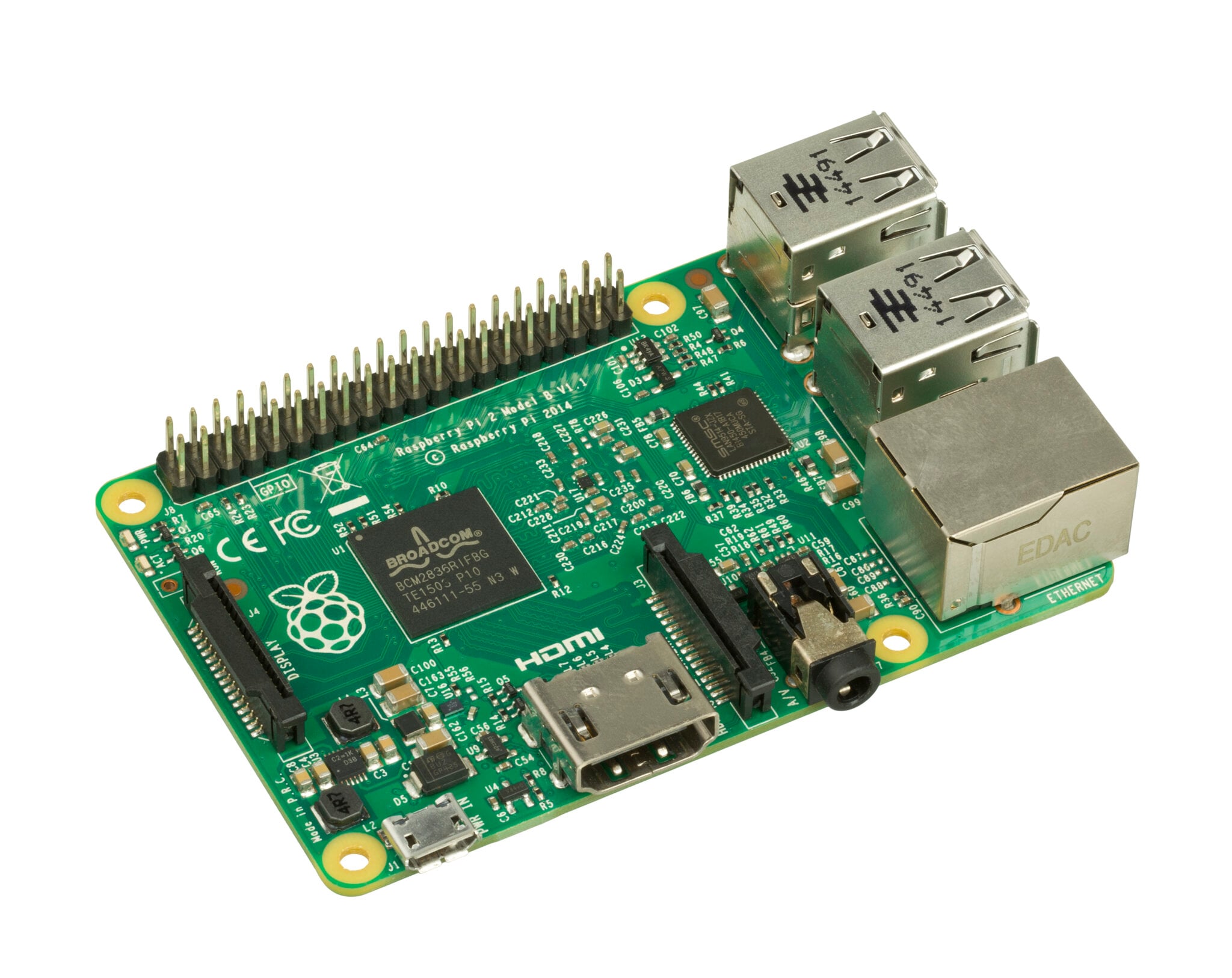
“We all had fun crashing it,” recalls Eben Upton, founder of Raspberry Pi. They had realised that a chip on the computer was susceptible to the photoelectric effect – when light triggers the release of electrons, and thus an electrical current. A kind of reverse “light switch”, if you like.
Upton and his colleagues had not anticipated this problem. It was discovered by a Raspberry Pi 2 user less than a week after the device went on sale in early 2015. In subsequent versions of the computer, the troublesome chip featured a black coating thick enough to soak up incoming light.
More than a century earlier, Albert Einstein had described the photoelectric effect in a ground-breaking paper – one of four seminal papers he published in 1905 while working as a clerk in the Swiss patent office. Later, in 1921, he received the Nobel Prize in Physics for it.
The photoelectric effect has gone on to shape all kinds of technologies – from burglar alarms to solar panels and the camera in your smartphone.
‘Weird phenomena’
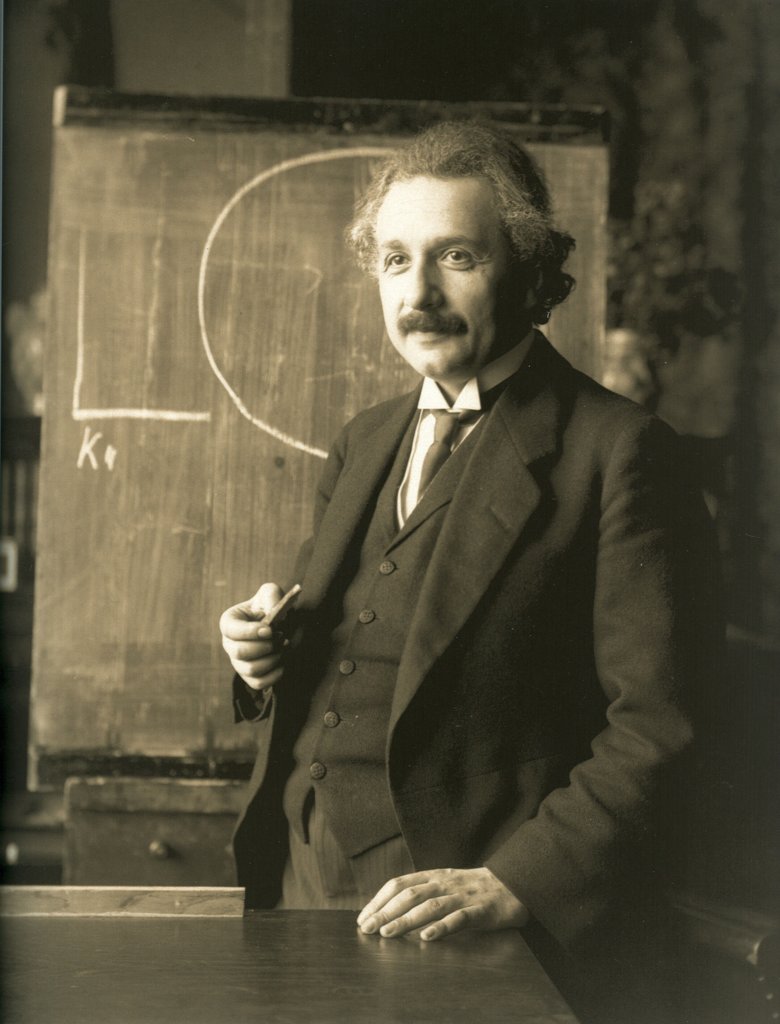
To understand it better, consider the question that gripped Einstein back in 1905: what is light made of?
At the time, many scientists theorised that light existed purely as a wave, which some suggested travelled across the universe in an intangible “light-bearing ether”. But to Einstein, this idea seemed ridiculous – “like Father Christmas”, says Steve Gimbel at Gettysburg College in the US.
Scientists including Heinrich Hertz had already demonstrated versions of the photoelectric effect by using light to generate tiny sparks, or to electrically charge pieces of gold leaf, causing them to repel each other.
“There were certain weird, unexplained phenomena where light could create electricity and that just blew people’s minds – that seemed to make no sense,” says Gimbel.
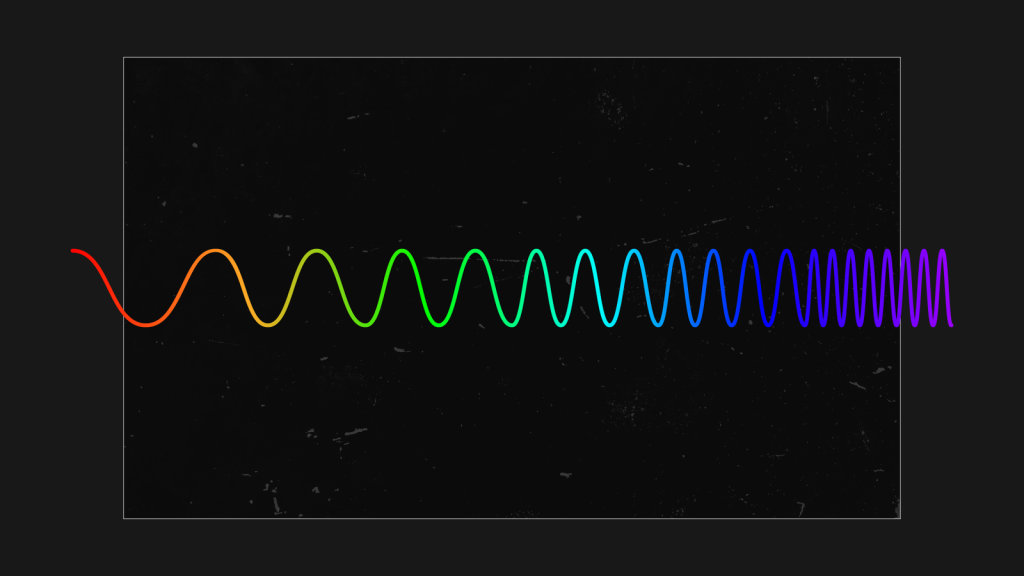
The weirdest thing was that the intensity of light didn’t affect the energy of the electrons produced whereas the frequency, or colour, of the light did. This was mind-boggling. More light should mean more energy, right?
Well, Einstein realised that if light wasn’t just made up of waves but also discrete packets or particles (which later came to be known as photons) travelling in waves, then it could be that the energy of those individual particles would explain this.
“When a single photon hits an electron, it [the electron] gets excited,” explains Paul Davies, at the University of York. So long as that photon lands with enough energy, then the photoelectric effect occurs – and the electron is freed from the material.
Think of it like throwing tiny sticks of dynamite into an open barrel of cannonballs. The little explosions won’t be enough to knock out a cannonball, no matter how many times you fling one in. But if you use stronger dynamite, with more energy, that will make the cannonballs fly.
The energy value of a photon is directly related to the colour of visible light – photons in blue light travel on shorter waves and have more energy than those in red light, for instance. That’s why Hertz found that especially energetic ultraviolet light would produce stronger sparks during one of his experiments.
Foghorns and photovoltaic cells
Gimbel stresses that Einstein didn’t come up with this theory out of nowhere. He drew not only on work by Hertz and others, but also on physicist Max Planck’s theory of “quanta” – the idea that radiation, including light, consists of discrete packets of energy, for which Planck also received a Nobel Prize in Physics, in 1918. But in 1905 this concept was still controversial.
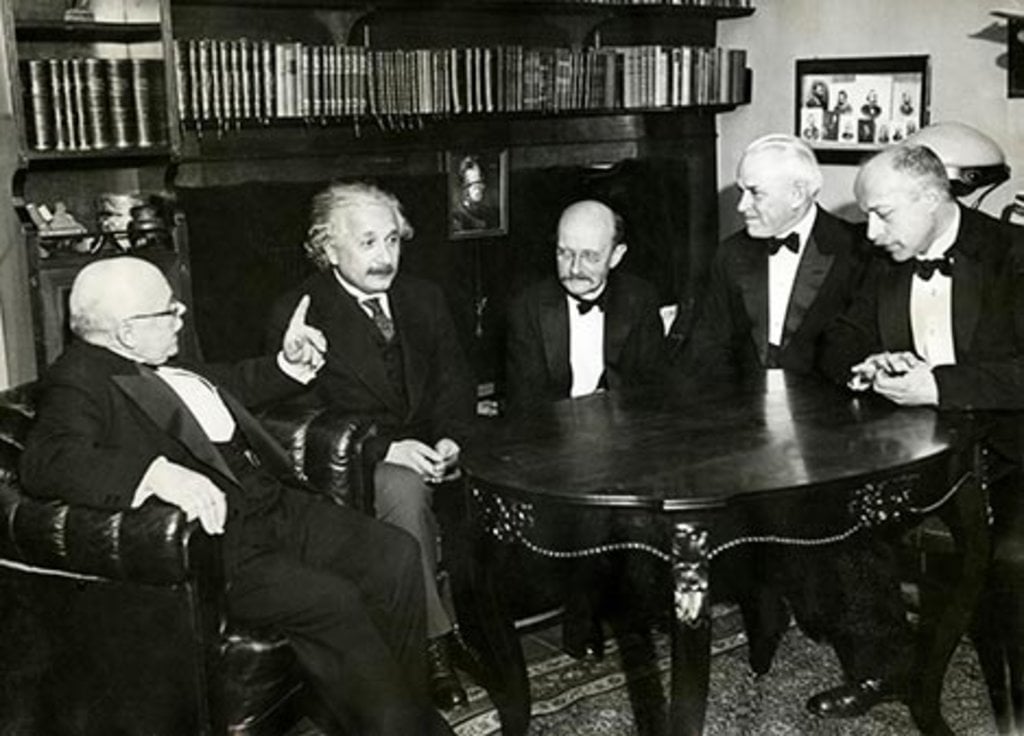
“Einstein had this revolutionary mind where he was willing to consider other approaches,” says Gimbel. “He took seriously this idea that light could be quantised.”
Einstein’s work was divisive – especially his special theory of relativity. Some members of the Nobel physics committee at the time hesitated to award him a prize and, when they did, they chose to award it for his work on the photoelectric effect, rather than relativity.
Scientists have long debated whether this was the best choice but there is little doubt that harnessing the photoelectric effect has changed the way our world works, since so many technologies rely on it.
Motion sensors in burglar alarm systems, for example, emit a beam of infrared light. When this beam is interrupted by an intruder, the light received by the sensor changes, altering the electrical current – and that sets off the alarm.
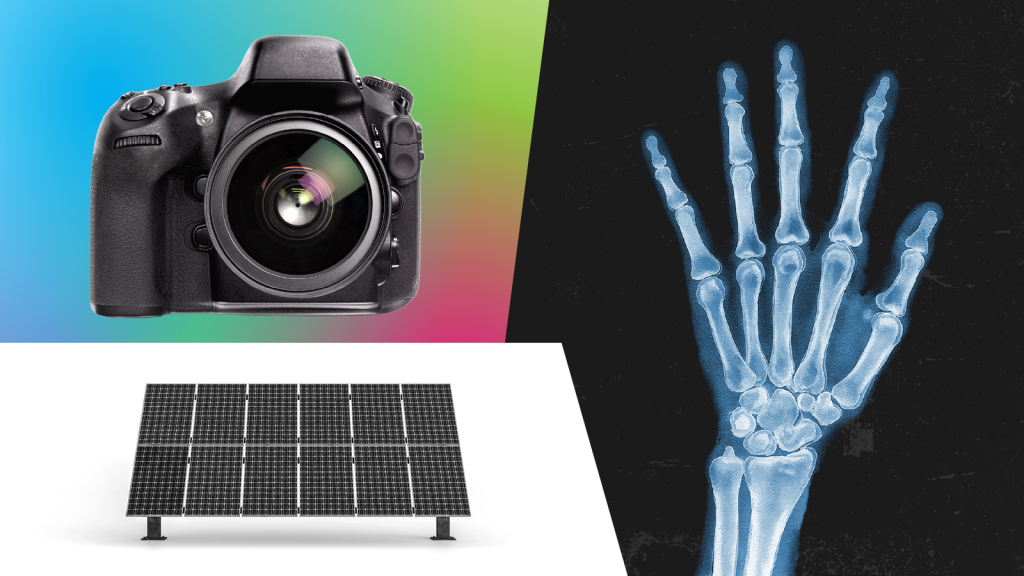
Finish lines at races held in the Olympic Games have used photoelectric cells to detect exactly when runners cross. Such technology has allowed ships to sense fog, and automatically switch on foghorns. It has also enabled cars to turn on their windscreen wipers spontaneously when it rains.
Strictly speaking, the photoelectric effect refers to a phenomenon in which electrons escape a material – but Davies says this is closely related to the photovoltaic effect, where movement of electrons facilitates an electrical current flowing through adjacent materials.
That’s what solar cells in solar panels do when they turn sunlight into electricity, contributing clean, renewable energy to electricity grids and tackling climate change.
Silicon sensors
Another popular application of the photoelectric effect is in camera sensors, the light-sensitive part of a digital camera that captures images. Nearly all use CMOS technology, which was fine-tuned at Nasa in the 1990s for use in space, but came to be installed on billions of smartphones. “The CMOS image sensor was the perfect device, let’s say, for that. It turned out to be the killer application,” says engineer Eric Fossum, who worked on the project.
Silicon is the key material used in CMOS sensors and Fossum, now at Dartmouth College, notes that the photoelectric effect in silicon is triggered by many colours of light.
“It doesn’t matter whether it’s green light, red light, or blue light – a photon will liberate exactly one electron. We’re kind of lucky that way.” This really helps when you want to capture a subject’s colour in full detail.
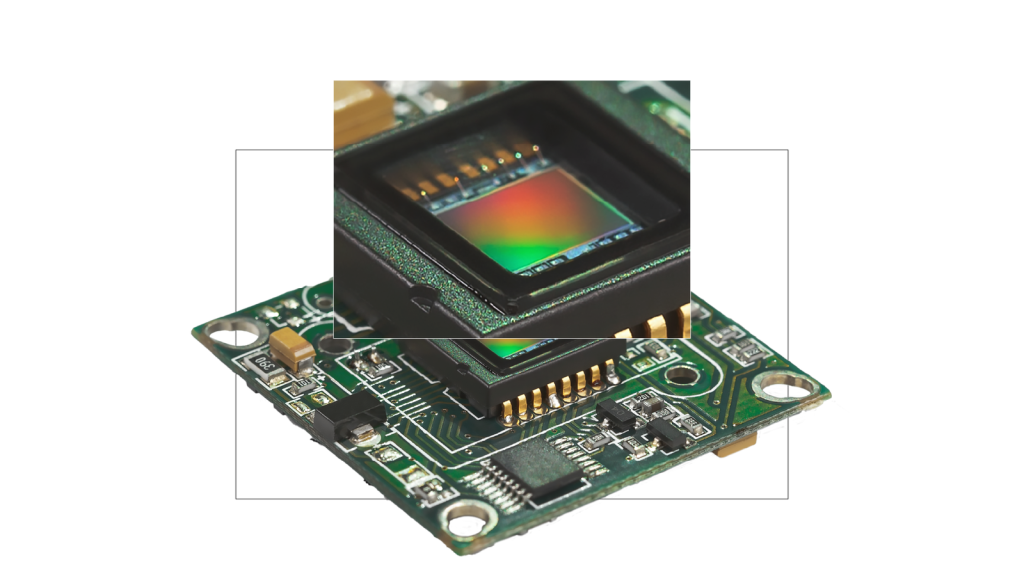
Now, Fossum and colleagues are working on image sensors sensitive to the smallest imaginable amount of light – a single photon. These devices, also known as photon-counters, are already used for laboratory experiments but they could also revolutionise digital imaging technologies, for example by improving image quality in medical CT scanners, and exposing patients to less radiation. The potential applications don’t stop there. “We’ll have the capability to practically see in the dark with this new technology,” says Fossum.
Another scientist working on devices that harness the photoelectric effect is Dimitra Georgiadou at the University of Southampton. She and her colleagues are developing technologies that can detect light and process information about it without having to send data to a central computer system for analysis. “This reduces significantly the amount of energy it needs,” says Georgiadou.
This might help researchers develop highly advanced bionic eyes and give sight to blind people by enabling the design of smaller, easier to implant, and more energy-efficient devices. It could also enable self-driving cars to make faster decisions about when to brake for safety reasons.
Lunar glow
The light-sensing technology Georgiadou is focused on does not rely on silicon but rather organic, carbon-containing, materials – these can be tuned to respond only to specific colours of light, and also printed on flexible substrates.
Such technology could turn up in wearable, low-power light sensors able to track the heart rate and blood oxygen levels of premature babies, for example, by shining small amounts of light through their skin and into their veins.
Since Einstein wrote down his theory on the photoelectric effect in 1905, we’ve certainly come up with a lot of fun things to do with it. But there’s more. Understanding this incredible interaction of light and matter has revealed curious details about the way the universe works.
In the 1960s, some of the earliest moon landers took pictures of the lunar horizon and noticed something strange: a weird glow, almost like a gently fading sunset. Except that the moon doesn’t have an atmosphere like Earth’s, and it’s the scattering of light by particles in our atmosphere that creates sunrises and sunsets as the planet turns on its axis.
Where was this lunar glow coming from? It turned out that light from the sun was striking dust on the moon’s surface and, through the photoelectric effect, giving it a positive electrical charge.
These little dust particles thus repelled each other, periodically levitating above the lunar surface. As they did so, they caught the light of the recently set sun – and created that magical glow.
By Chris Baraniuk, BBC World Service. This content was created as a co-production between Nobel Prize Outreach and the BBC.
Published May 2026
Nobel Prize laureates highlighted in this article

Albert Einstein
for his services to Theoretical Physics, and especially for his discovery of the law of the photoelectric effect.

Max Karl Ernst Ludwig Planck
in recognition of the services he rendered to the advancement of Physics by his discovery of energy quanta.
Nobel Prizes and laureates
Six prizes were awarded for achievements that have conferred the greatest benefit to humankind. The 14 laureates' work and discoveries range from quantum tunnelling to promoting democratic rights.
See them all presented here.

